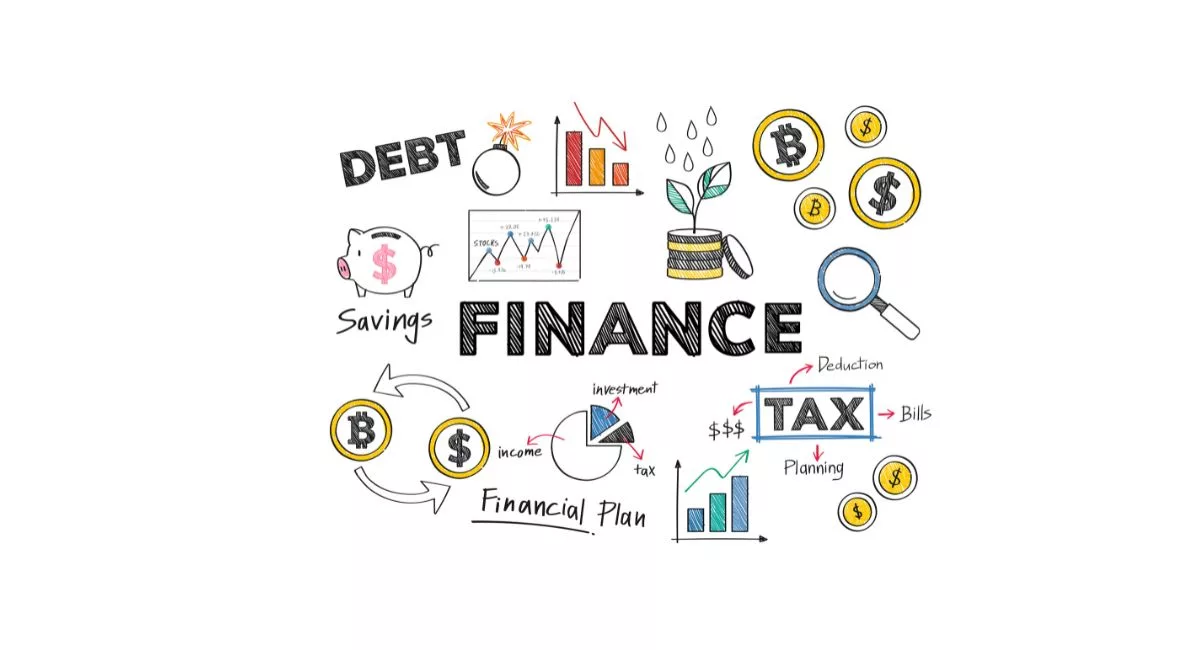
Managing personal finances effectively is one of the most critical skills you can develop. Good financial management allows you to live comfortably, save for the future, avoid debt, and achieve long-term financial goals.
In 2026, financial planning is more important than ever due to rising living costs, inflation, evolving job markets, and the increasing complexity of financial products. Whether you are a student, a professional, or planning for retirement, mastering personal finance is essential for financial security and wealth building.
This guide will provide comprehensive personal finance tips covering budgeting, saving, investing, debt management, taxes, insurance, and financial goal planning.
Step 1: Assess Your Current Financial Situation
Before making financial decisions, it’s crucial to understand your current financial standing.
Key Components:
- Income: Salary, bonuses, freelance work, business income
- Expenses: Fixed (rent, mortgage, utilities) and variable (entertainment, dining)
- Assets: Savings, investments, property, retirement accounts
- Liabilities: Loans, credit card debt, mortgages, other obligations
Calculate Your Net Worth
Net Worth = Total Assets – Total Liabilities
Knowing your net worth helps track progress and make informed financial decisions.
Step 2: Set Clear Financial Goals
Financial goals guide your decisions and help prioritize spending and saving.
Types of Goals:
- Short-Term (1–3 years): Emergency fund, paying off credit card debt, buying a car
- Medium-Term (3–10 years): Home down payment, saving for education, business investment
- Long-Term (10+ years): Retirement, financial independence, wealth accumulation
Use the SMART framework (Specific, Measurable, Achievable, Relevant, Time-bound) to define goals clearly.
Step 3: Create a Budget
Budgeting is the foundation of personal finance. It allows you to control spending and allocate money for saving and investing.
Popular Budgeting Methods:
- 50/30/20 Rule
- 50% for needs
- 30% for wants
- 20% for savings and investments
- Zero-Based Budgeting
- Assign every dollar a job
- Ensures all income is accounted for
- Envelope System
- Cash is allocated to envelopes for each spending category
- Limits overspending
Consistent budgeting helps maintain financial discipline and reach financial goals faster.
Step 4: Build an Emergency Fund
An emergency fund is critical for financial stability. It acts as a safety net during unexpected events like job loss, medical emergencies, or urgent home repairs.
Recommendations:
- Save 3–6 months of living expenses
- Keep the fund in a high-yield savings account
- Avoid using it for non-emergency spending
An emergency fund prevents reliance on high-interest debt during crises.
Step 5: Manage and Reduce Debt
Debt can hinder financial growth if not managed properly.
Common Strategies:
- Debt Snowball Method
- Pay off smallest debts first, then move to larger debts
- Builds momentum and motivation
- Debt Avalanche Method
- Pay off highest-interest debt first
- Minimizes total interest payments
Avoid Common Mistakes:
- Relying heavily on credit cards
- Ignoring high-interest loans
- Borrowing without a repayment plan
Managing debt effectively frees up money for saving and investing.
Step 6: Save and Invest Wisely
Saving alone is not enough—investing allows your money to grow over time.
Saving Tips:
- Automate savings through direct deposits
- Set aside specific percentages of income
- Use high-yield savings accounts for short-term goals
Investment Tips:
- Stocks: High potential growth for long-term goals
- Bonds: Steady income and lower risk
- Mutual Funds & ETFs: Diversified investment options
- Real Estate: Rental income and appreciation
- Retirement Accounts: 401(k), IRA, Roth IRA for tax-advantaged growth
Diversifying investments reduces risk and maximizes potential returns.
Step 7: Understand and Optimize Taxes
Taxes can significantly affect your personal finances. Strategic tax planning helps retain more income.
Tips for Tax Efficiency:
- Contribute to tax-advantaged accounts (401(k), IRA, HSA)
- Take advantage of deductions and credits
- Consider tax-loss harvesting in investment accounts
- Plan withdrawals to minimize capital gains taxes
Working with a tax professional can help optimize your personal tax strategy.
Step 8: Protect Your Wealth with Insurance
Insurance protects your assets and reduces financial risk.
Types of Insurance:
- Health Insurance: Covers medical expenses and prevents debt
- Life Insurance: Protects family in case of unexpected death
- Disability Insurance: Replaces income if you cannot work
- Property Insurance: Covers home, car, and valuable possessions
- Liability Insurance: Protects against lawsuits
Adequate insurance coverage ensures long-term financial security.
Step 9: Retirement Planning
Planning for retirement is a critical part of personal finance.
Steps for Effective Retirement Planning:
- Start saving early to benefit from compound interest
- Maximize contributions to 401(k), IRA, and Roth IRA
- Diversify retirement investments between stocks, bonds, and other assets
- Regularly review and adjust contributions and asset allocation
Retirement planning ensures you maintain your lifestyle when you stop working.
Step 10: Track Progress and Adjust Your Plan
Personal finance is dynamic. Regular review helps maintain alignment with goals.
Actions to Take:
- Review budget and spending monthly
- Assess investment performance quarterly
- Adjust savings rates and debt repayment strategies
- Update financial goals as circumstances change
Regular monitoring ensures that you remain on track for financial success.
Step 11: Smart Financial Habits for Long-Term Success
Essential Personal Finance Habits:
- Live Below Your Means: Spend less than you earn
- Automate Savings and Investments: Build wealth consistently
- Avoid Lifestyle Inflation: Resist increasing expenses with income
- Continuously Educate Yourself: Learn about investments, taxes, and money management
- Plan for Major Life Events: Marriage, children, home purchase, and retirement
Good financial habits compound over time, leading to long-term stability.
Step 12: Avoid Common Financial Mistakes
- Failing to set clear goals
- Ignoring debt and credit management
- Neglecting retirement planning
- Making impulsive investment decisions
- Overlooking tax and insurance strategies
Avoiding these mistakes can save thousands and improve financial outcomes.
Step 13: Leverage Technology for Personal Finance
Modern technology simplifies money management:
- Budgeting Apps: Track income and expenses
- Robo-Advisors: Automate investments and portfolio management
- Financial Planning Software: Project long-term goals and cash flow
- Mobile Banking & Payment Apps: Manage accounts efficiently
Technology increases convenience and improves financial decision-making.
