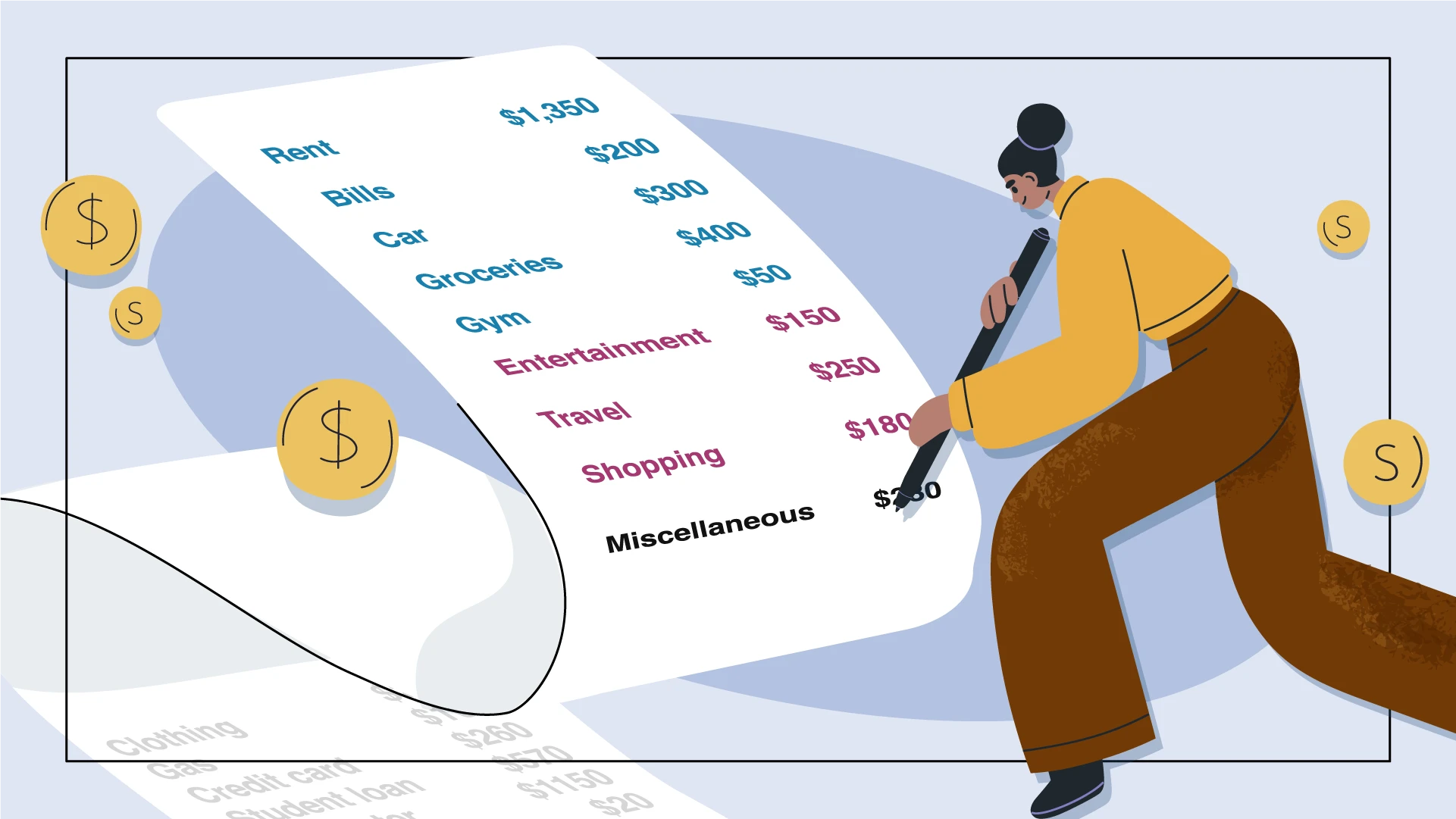
Managing money can feel overwhelming for beginners. Many people struggle to control spending, save money, and build financial stability. The good news is that budgeting makes it much easier to manage your finances and reach your financial goals.
A good budget helps you understand where your money goes, reduce unnecessary expenses, and build savings over time. Whether you want to eliminate debt, save for a home, or build wealth, using the right budgeting method can make a huge difference.
In this guide, we will explore the best budgeting methods for beginners, how they work, and how to choose the right one for your financial situation.
Why Budgeting Is Important
Before choosing a budgeting method, it is important to understand why budgeting matters.
Budgeting helps you:
- Track income and expenses
- Avoid overspending
- Build emergency savings
- Reduce financial stress
- Achieve long-term financial goals
Many financial experts from institutions like Fidelity Investments and Vanguard emphasize that budgeting is the foundation of financial success.
Without a budget, it becomes difficult to control spending and plan for the future.
1. The 50/30/20 Budget Rule
One of the most popular budgeting methods is the 50/30/20 rule. This simple strategy divides your income into three categories.
How the 50/30/20 Rule Works
- 50% Needs
Essential expenses such as rent, food, utilities, transportation, and insurance. - 30% Wants
Lifestyle expenses like entertainment, dining out, shopping, and hobbies. - 20% Savings and Debt Repayment
Money allocated toward savings, investments, and paying off debt.
This budgeting method became widely known after being promoted by U.S. senator and economist Elizabeth Warren.
Example
If you earn $3,000 per month:
- $1,500 → Needs
- $900 → Wants
- $600 → Savings and debt
Advantages
- Easy to follow
- Flexible spending
- Great for beginners
Disadvantages
- Not ideal for very low incomes
- Housing costs may exceed 50% in expensive cities
2. Zero-Based Budget
The zero-based budget is another powerful budgeting method that requires you to assign every dollar a specific purpose.
At the end of the month, your income minus expenses should equal zero.
How It Works
Example monthly income:
$4,000
You assign money to categories such as:
- Rent: $1,200
- Food: $500
- Transportation: $300
- Savings: $800
- Entertainment: $200
Every dollar is accounted for.
Advantages
- Complete control over money
- Eliminates unnecessary spending
- Excellent for debt repayment
Disadvantages
- Requires detailed tracking
- Time-consuming for beginners
3. Envelope Budgeting System
The envelope budgeting system is a classic method used long before digital banking.
You divide your money into physical envelopes for different spending categories.
Example envelopes:
- Groceries
- Transportation
- Entertainment
- Dining out
Once the money in an envelope is gone, you cannot spend more in that category until the next month.
Advantages
- Prevents overspending
- Simple and visual
- Very effective for cash spending
Disadvantages
- Not ideal for online purchases
- Less convenient in a digital economy
4. Pay Yourself First Method
The Pay Yourself First budgeting strategy focuses on savings before spending.
Instead of saving what remains after spending, you save a fixed amount immediately after receiving income.
Example:
If your monthly income is $3,500:
- Save $500 immediately
- Use the remaining $3,000 for expenses
Many financial planners from firms like Charles Schwab recommend this method because it ensures consistent savings.
Advantages
- Builds savings quickly
- Easy to automate
- Great for long-term investing
Disadvantages
- Requires discipline
- May feel restrictive at first
5. The 70/20/10 Budget Rule
This budgeting method divides income into three categories.
- 70% Living Expenses
- 20% Savings and Investments
- 10% Donations or debt repayment
This method is simple and works well for people who want a balanced financial plan.
Advantages
- Simple and flexible
- Encourages saving and generosity
Disadvantages
- Not detailed enough for some people
- Less structured than other budgets
6. The Anti-Budget Method
Some people dislike strict budgeting systems. The anti-budget method focuses only on saving and ignoring detailed expense tracking.
How it works:
- Save a fixed percentage of your income.
- Spend the rest however you like.
Example:
Income: $4,000
Savings: $800
Remaining spending: $3,200
Advantages
- Extremely simple
- Minimal tracking required
- Less stressful than traditional budgets
Disadvantages
- May lead to overspending
- Harder to control expenses
Choosing the Best Budgeting Method
The best budgeting method depends on your personality and financial goals.
| Budget Type | Best For |
|---|---|
| 50/30/20 Rule | Beginners |
| Zero-Based Budget | People who want strict control |
| Envelope System | Overspenders |
| Pay Yourself First | Savers and investors |
| 70/20/10 Rule | Balanced lifestyle |
| Anti-Budget | People who dislike tracking |
If you are just starting, the 50/30/20 rule is often the easiest method.
Budgeting Tools and Apps
Technology has made budgeting easier than ever.
Many apps automatically track spending and categorize expenses.
Popular budgeting apps include:
- Mint
- YNAB
- PocketGuard
These apps connect to your bank accounts and provide insights into spending habits.
Common Budgeting Mistakes
Beginners often make mistakes when starting a budget.
1. Creating Unrealistic Budgets
Setting extremely strict budgets can lead to frustration.
2. Forgetting Irregular Expenses
Many people forget expenses like:
- Car repairs
- Medical bills
- Holiday spending
3. Not Tracking Spending
A budget only works if you follow it consistently.
4. Giving Up Too Early
Budgeting takes time to master. Most people need several months to build effective habits.
Tips for Successful Budgeting
To make budgeting easier, follow these tips:
- Track every expense for at least one month
- Set realistic spending limits
- Review your budget regularly
- Automate savings whenever possible
- Adjust your budget as income changes
Consistency is more important than perfection.
Final Thoughts
Budgeting is one of the most powerful tools for achieving financial stability and long-term wealth. By choosing the right budgeting method, beginners can gain control over their finances and build better money habits.
Whether you choose the 50/30/20 rule, zero-based budgeting, or the pay-yourself-first method, the key is to stay consistent and track your progress.
Over time, a strong budgeting habit can help you reduce financial stress, grow your savings, and achieve your financial goals.
